



Hypertension (High Blood Pressure)
Support, monitoring and medication advice for high blood pressure.
Sneyd Green Pharmacy - Helping the local community in Stoke-on-Trent.
Understanding your readings helps protect long-term health.
Hypertension (High Blood Pressure)
High blood pressure, or hypertension, is a common condition where the force of blood against artery walls is persistently elevated. It often develops over many years and may not show obvious symptoms, making regular checks important. Left untreated, hypertension increases the risk of heart disease, stroke and kidney problems. Management includes lifestyle changes such as reducing salt intake, maintaining a healthy weight, increasing activity and stopping smoking, alongside recommended medication when necessary. Regular reviews with healthcare professionals and consistent home monitoring improve control and reduce complications.
Quick checks and clear guidance.
Monitoring and When to Seek Help
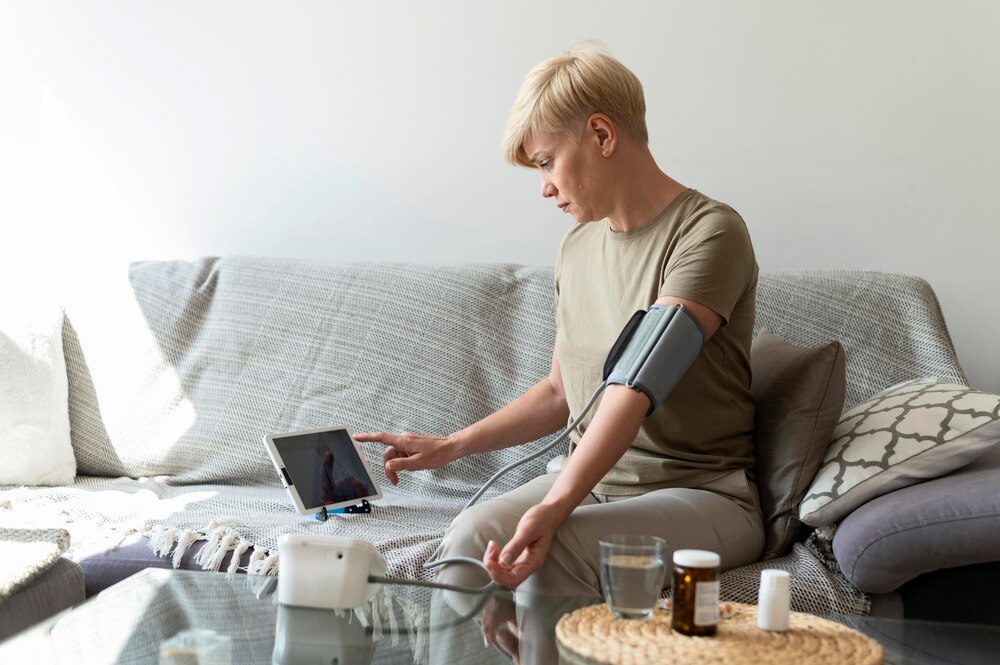
Regular monitoring with a reliable home blood pressure cuff gives both you and your clinician a fuller picture of your cardiovascular health. Aim to take readings at the same time each day, seated and rested, and record results. If you notice consistently high readings or sudden spikes, contact your GP or pharmacist for advice—urgent review may be needed if you experience chest pain, severe headache, vision changes, or breathlessness. Pharmacists can advise on correct technique for home measurement and when to escalate care, helping to prevent complications through early detection and intervention.
Check readings at consistent times
Bring home readings to appointments
Take medication as prescribed
Report very high or low readings
Causes
Age, genetics, diet, obesity, and inactivity.
Symptoms
Often none; may include headaches or dizziness.
Prevention
Healthy eating, exercise, weight and alcohol control.
Key Points
Hypertension is a manageable condition when detected early. Lifestyle factors such as reducing salt, eating more fruits and vegetables, maintaining a healthy weight, increasing physical activity, limiting alcohol and stopping smoking significantly improve blood pressure. When lifestyle measures are not enough, antihypertensive medications are effective and commonly used to reach target readings. Regular review and adherence to treatment are essential. Your pharmacist can support medication reviews, check for interactions, provide blood pressure monitoring guidance and signpost to GP services for tailored treatment plans and investigations where needed.
Often has no symptoms
Can damage organs if untreated
Lifestyle changes can help
Medication reduces risk significantly
Small changes make a big difference.
Lifestyle and Self-Care
Lifestyle adjustments are foundational to blood pressure control. Reducing dietary sodium, choosing whole foods, increasing fruit and vegetable intake, and reducing processed foods support lower blood pressure. Regular aerobic exercise such as brisk walking for at least 150 minutes per week helps reduce systolic and diastolic readings. Maintaining a healthy weight and moderating alcohol intake also contribute. Stress management techniques, improved sleep and quitting smoking further reduce cardiovascular risk. Work with healthcare professionals to set realistic, sustainable goals and monitor progress—small, consistent steps often yield meaningful improvements in overall cardiovascular health.

Frequently Asked Questions
Common questions about hypertension monitoring and treatment.
What counts as high blood pressure?
Consistently above 140/90 mmHg in clinic, or 135/85 mmHg home average.
How often should I check my blood pressure?
Follow your clinician’s advice; commonly daily for a week, then weekly or monthly.
Can lifestyle changes replace medication?
Lifestyle helps but some people still need medication for control.
Are there side effects from blood pressure medicines?
Some drugs have side effects; discuss options and management with your pharmacist or GP.
Can the pharmacy help with blood pressure?
Yes—many pharmacies offer monitoring, advice and medication review services.
Key Reminders
Maintaining accurate records and attending regular reviews helps clinicians tailor treatment and spot trends. Bring your home log to consultations and report any side effects promptly; adjustments may be needed to balance effectiveness and tolerability. If you start new medications for other conditions, mention them to check for interactions. Pharmacists can provide timely advice on side effect management, adherence strategies and device use. Proactive communication between you and your healthcare team maximises control, reduces risks and supports long-term wellbeing.
Bring readings to appointments
Keep a home monitoring log
Discuss side effects early
Attend regular reviews